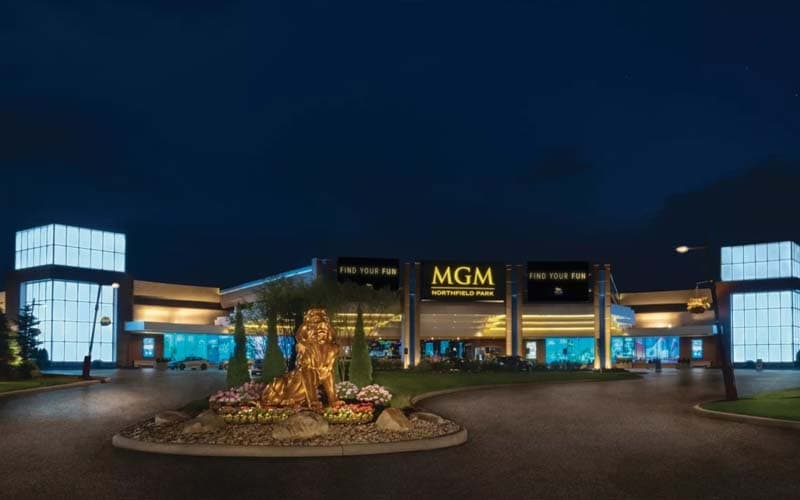
 Las Vegas–based gaming giant MGM Resorts International has reached a definitive agreement to sell the operations of its MGM Northfield Park racino near Cleveland, Ohio, for $546 million in cash to funds managed by private equity firm Clairvest Group Inc., a deal that underscores evolving strategies in the broader gaming industry.
The property, located in the Cleveland–Akron area and long recognized for combining a traditional racetrack with casino-style gaming, has been under MGM’s operational control since it acquired the rights in 2019. The transaction, subject to customary regulatory approvals, is anticipated to close in the first half of 2026.
MGM’s leadership has framed the sell-off as a strategic reorientation that prioritizes digital and international expansion over select regional assets. In public remarks, MGM’s CEO highlighted the company’s intention to shift focus toward digital gaming initiatives and newer revenue streams, even as it continues to invest in its established resort portfolio.
For the local community, MGM’s departure from day-to-day operations at Northfield Park signifies a change in stewardship rather than an exit from the Ohio gaming market. The physical racino will continue to operate under its new management, preserving jobs and maintaining its role as a destination for retail gamblers and horse racing enthusiasts alike.
Ohio’s Gaming Environment: Retail and Online Contrasts
The sale of Northfield Park comes amid broader shifts in consumer behavior in the United States. While brick-and-mortar casinos and racinos remain popular in gambling states, online casino gaming in Ohio continues to expand rapidly—but with notable regulatory gaps.
As of 2026, Ohio does not permit real-money online casinos within its regulatory framework, even though it has legalized other forms of online wagering, such as sports betting. Residents seeking digital casino experiences often turn to offshore online casino platforms licensed outside the United States. These offshore operators provide access to a wide variety of online casino games, including slots, table games, and more, that are not yet authorized under Ohio law.
Despite the popularity of these offshore offerings, Ohio regulators and industry stakeholders have engaged in ongoing debates about the future of domestic online casino legalization. Proponents argue that regulated Ohio online casinos would enhance consumer protections, state tax revenues, and oversight of fairness, while opponents cite concerns about addiction and enforcement challenges.
Online Casino Game Variety and Player Demand Surge
Across the broader digital gaming world, Ohio players who access offshore online casino sites encounter a diverse and rich gaming ecosystem. On these offshore sites, players can choose from:
- Online Slots: Hundreds of variations, from classic 3-reel to modern video slots with progressive jackpots.
- Table Games: Multiple versions of blackjack, roulette, baccarat, and craps.
- Video Poker: A range of poker hybrids like Jacks or Better and Deuces Wild.
- Live Dealer Experiences: Streamed games with real dealers that simulate the feel of in-casino play.
- Specialty Games: Keno, bingo variants, and niche offerings such as Pai Gow and Sic Bo.
These game choices reflect a broader trend: players increasingly value flexibility and variety, while operators seek to differentiate through exclusive titles and innovation. The breadth of offerings available offshore stands in stark contrast to Ohio’s current online gaming limitations but also suggests what could be possible should future legislation permit licensed, regulated online casinos in the state.
As the gaming industry navigates these shifts—from physical racino transactions like MGM’s Northfield Park sale to the continued rise of digital casino entertainment—the interplay between regulatory frameworks, consumer demand, and market opportunity will remain central to shaping the next phase of gambling in Ohio and beyond.